


Bellevue Dog Bite Lawyer
In Washington, a dog owner can be liable for a bite even if the dog has never bitten anyone before. Whether the attack happened at Bellevue Downtown Park, in Crossroads, or at a friend's home in Somerset, Attorney Larry Lehmbecker and his team of experienced Bellevue dog bite lawyers use decades of local and legal experience to evaluate what your claim may be worth and pursue full compensation from the dog owner's homeowner's or renter's insurance. Larry Lehmbecker's law office has been physically located in Bellevue since 1986 and continues to proudly serve the Eastside.
A Dog Bite Attorney in Bellevue Who Documents What Insurers Try to Minimize
A dog attack rarely ends when the wound closes. Clients we've represented in Bellevue have dealt with nerve damage, facial scarring, and a lingering fear of dogs that changes how they move through their own neighborhood. Adjusters know victims want to move past the incident, and their early offers reflect that instinct rather than the injury's real cost.
Our Bellevue dog bite attorneys document the medical treatment, missed income, and emotional toll in full before any settlement number comes up, so the offer reflects what the attack actually cost you, not what the insurer hopes you'll take without a fight.
Dog Bite Statistics
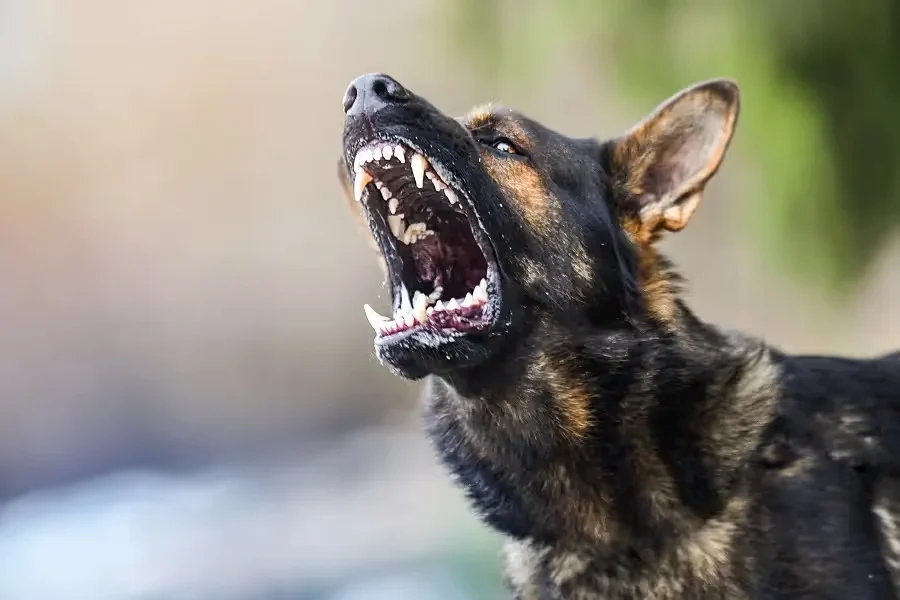
More than 4.5 million people are bitten by dogs in the United States each year, and about 800,000 of those bites require medical attention, according to the American Veterinary Medical Association. Children remain the most common victims, often bitten during everyday interactions with a familiar dog.
The financial cost of these attacks keeps climbing. Washington's home insurers paid $38.9 million to settle 439 dog bite claims in 2024, up from $18.2 million for 413 claims in 2023, with the average cost per claim more than doubling to $88,529, according to the Insurance Information Institute.
Nationally, dog-related injury claims reached 28,450 in 2025, a 25.6% jump from 22,658 in 2024, with insurers paying out $1.86 billion in total, according to the Insurance Information Institute and State Farm. Dog attacks on U.S. Postal Service employees followed the same trend, with more than 5,200 reported nationwide in 2025.
Here's an overview of some key dog bite statistics:
- Frequency: An estimated 4.5 million dog bites occur in the U.S. each year.
- Medical attention: About 800,000 of those bites require medical care.
- Washington claims: 439 dog bite claims paid by Washington home insurers in 2024, averaging $88,529 per claim.
- National claims: 28,450 dog bite and related injury claims nationwide in 2025, up 25.6% from 2024, averaging $65,450 per claim.
- Children: Children are more likely to be bitten by dogs than adults (and are also more likely to be severely injured).
- Underreporting: Actual incidence is likely higher than official estimates.
Washington Dog Bite Laws
Washington State's dog bite laws are primarily governed by a strict liability approach, meaning dog owners are generally responsible for any injuries or damages their dogs cause through biting, regardless of whether the dog has previously shown signs of aggression.
According to RCW 16.08.040, the dog owner is liable for damages suffered by the person bitten, provided that person is in a public place, or a private place lawfully (including the dog owner's property).
Strict liability laws simplify the process for dog bite victims to seek compensation, as they don't need to prove that the owner was negligent or knew the dog could be dangerous. The bite itself is sufficient to establish liability.
That said, there are exceptions to the rule. If the victim was provoking the dog, trespassing, or engaged in criminal activity at the time of the bite, the owner may not be held liable.
It's also worth noting that local municipalities may have additional ordinances and rules governing dog behavior and owner responsibilities. These can include leash laws, registration requirements, and designated off-leash areas, among other things. Understanding both state and local laws is crucial for dog owners and victims of dog bites in Washington.
In Bellevue specifically, local ordinances add another layer of responsibility. Under Chapter 8.05 of the Bellevue City Code, dogs generally must be on a leash in public spaces, except in designated off-leash areas, and owners remain legally responsible for any injury or damage their dog causes, including bites. Failure to comply can result in fines, impoundment, or further legal action.
Breed-Specific Dog Laws in Washington
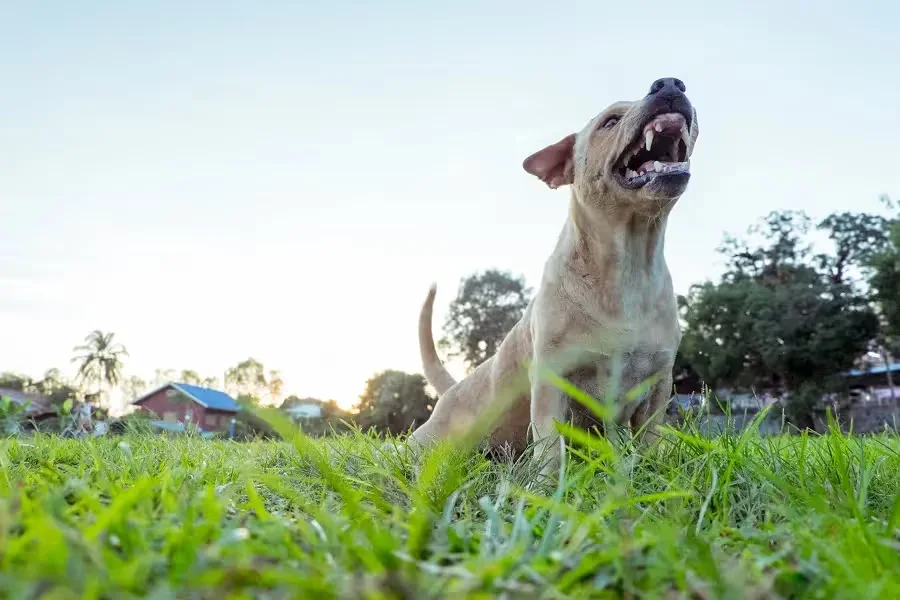
Many local municipalities in the state have laws targeting specific breeds considered potentially dangerous. These laws are designed to mitigate the risks associated with breeds that have been involved in severe or fatal attacks on humans.
These local ordinances often trace back to national fatality data. According to DogsBite.org's most recent dataset (updated June 2026), pit bulls were linked to 536 U.S. dog bite fatalities between 2005 and 2024, a rate more than eight times higher than the next-closest breed, Rottweilers, at 63 deaths.
CDC WONDER provisional data puts 2024 at 127 fatal dog attacks nationwide, the highest single-year total on record. Breed-identification error is a recognized limitation of this kind of data, so figures like these are best read as a rationale cities cite for breed-specific ordinances, not as a precise risk measurement for any individual dog.
Examples of local breed-specific laws in Washington include:
- Auburn: Bans all fighting dog breeds considered potentially dangerous, including bull terriers, Dogo Argentinos, and Japanese Akitas.
- Bridgeport, Buckley, Enumclaw, Othello, and Rosalia: These cities specifically ban pit bulls within their jurisdictions.
- Brewster: Mandates that all pit bull owners must sterilize their dogs.
- Wapato: Prohibits the ownership of pit bulls, Rottweilers, American bulldogs, and all mastiffs.
The Damage Done by Dog Attacks
Dog attacks can cause a wide range of serious injuries and damages, both physical and emotional, as well as broader societal implications. The following are some notable aspects to consider.
Physical Injuries
- Punctures, lacerations & bruising: These are the most obvious forms of physical injury and can range from minor to severe.
- Fractures and dislocations: An attack can cause falls or direct trauma, leading to broken bones or joint issues.
- Infections: Dog bites can lead to bacterial infections if not properly treated.
- Facial scarring: Attacks to the face can result in permanent scarring and may require reconstructive surgery.
- Fatalities: Though rare, some dog attacks can be fatal, especially for vulnerable populations like small children and the elderly.
Emotional and Psychological Damage
- Post-traumatic stress disorder (PTSD): Victims may suffer symptoms of PTSD, such as nightmares, flashbacks, and heightened anxiety.
- Fear and anxiety: A lasting fear of dogs or open spaces may develop, impacting daily life.
- Social stigma: Some victims face social isolation due to visible scars or disfigurements.
Financial Consequences
- Medical bills: Treatment for bites, lacerations, and infections can be costly.
- Loss of work: Recovery may require time off work, resulting in lost income.
This is by no means a complete list. Dog bites and other animal attacks can cause all manner of other injuries and hardships: physical, emotional, and financial.
How Do I Sue for a Dog Bite Injury
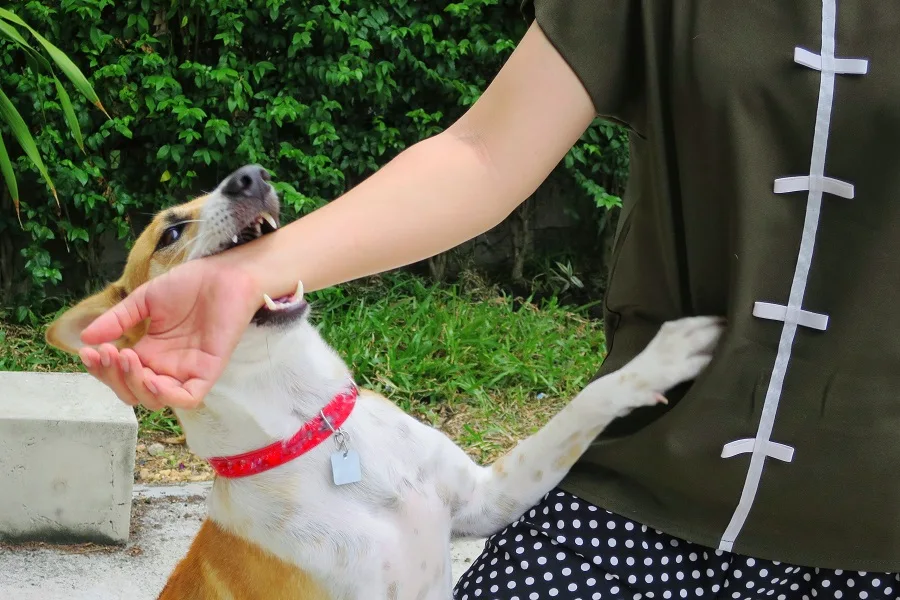
If you're considering pursuing litigation for a dog bite injury, there are several steps you must follow to build a strong case.
1. Seek Medical Attention
Your first priority should be to get medical treatment for your injuries. This step is crucial, as medical records will also serve as important evidence in your case.
2. Document the Incident
Take photographs of your injuries and the location where the dog bite occurred. Then, gather contact information from any witnesses. Be sure to get the dog owner's information, including their name, address, and details about the dog (breed, color, etc.).
3. File Reports
Next, report the incident to local authorities, such as animal control or the police. Don't forget to request a copy of the report for your records.
4. Consult an Attorney
Contact our Bellevue dog bite lawyers with a focus on dog bite personal injury cases. They can guide you through the legal process, from investigating whether the dog owner has homeowner's or renter's insurance and filing a complaint, to negotiating with insurance companies or taking the case to court.
5. File a Lawsuit
If a settlement with the responsible party can't be reached, your attorney will file a lawsuit. This typically involves drafting and filing a formal complaint outlining the details of your case and serving it to the defendant (the dog owner).
6. Collect Damages
If you win the case, the final step is to collect the damages awarded, which can include compensation for medical bills, pain and suffering, lost wages, and other costs.
Given the complexity of legal proceedings and the specific statutes and case law that may apply in your jurisdiction, it's wise to seek the assistance of a qualified attorney, who will guide you through the process and advocate for your interests.
What Compensation Can I Recover

If you've been bitten or attacked by a dog, you may be eligible to recover various types of compensation. These can include economic, non-economic, and punitive damages.
Economic Damages
- Medical bills: You may be compensated for immediate and future medical expenses related to the dog bite, including emergency care, surgical treatment, and ongoing care for physical rehabilitation.
- Lost wages: If your injuries cause you to miss work, you may claim compensation for lost income during your period of recovery.
- Property damage: Property damage compensation may include repair or replacement of personal items damaged during the incident (e.g., torn clothing or broken glasses).
Non-Economic Damages
- Pain and suffering: Pain and suffering is a somewhat subjective category of damages; it can include compensation for physical pain, as well as emotional and psychological distress and loss of quality of life.
- Emotional distress: Some jurisdictions allow for the recovery of damages for emotional trauma, even without accompanying physical injury.
- Loss of consortium: If the dog attack affects your relationship with your spouse, some jurisdictions may allow for compensation related to loss of companionship or affection.
Proving Dog Bite Liability in Washington
To win your case, you must establish the dog owner's legal liability for your attack and subsequent injuries. Here's what you need to know.
Elements of Liability
- Occurrence of bite: There must be evidence of an actual bite — mere intimidation or fright without physical harm generally doesn't qualify.
- Lawful presence on public or private property: You must have been in a public place or lawfully on private property when the bite occurred; trespassers generally can't claim damages for dog bites.
- Identification of owner: You must be able to determine the identity of the dog owner.
Evidence to Support Your Case
- Medical records: Such documentation is official evidence of your injuries.
- Witness accounts: Collect statements from anyone who saw the incident happen.
- Photos and videos: Images like these can help establish the severity of the attack and may exhibit negligence on the part of the owner.
- Police or animal control reports: Official reports can lend credibility to your claim.
Exceptions and Defenses
- Provocation: Owners may escape liability if they can prove that the victim provoked the dog.
- Trespassing: As mentioned, the owner may not be found liable if the victim was on private property unlawfully.
- Professional handling: In some cases, professional dog handlers or veterinarians who are bitten while performing their duties may have limited recourse.
What Is the Statute of Limitations for Dog Bite Injuries in Washington

The statute of limitations for personal injuries like dog bites in Washington State is three years from the date of the injury, under RCW 4.16.080. That means you have exactly three years from the date you were bitten to file a lawsuit against the dog's owner or the responsible party; if you fail to do so within this time, you may lose your right to seek compensation for your injuries.
Certain circumstances can alter this time limit. If the victim is a minor, the statute of limitations may not begin until they turn 18, and in some cases the discovery rule may apply, meaning the clock starts from the date the injury was discovered rather than the date it occurred, though this is more commonly applied in cases like medical malpractice.
What Happens to the Dog After a Bite in Washington State
The fate of the dog involved in a biting incident can vary based on several factors, including the severity of the attack, the dog's history, and local laws and regulations.
In Washington State, the following procedures may be implemented:
- Investigation: Following a reported dog bite, animal control officers may investigate the incident. This can involve interviewing the victim, the dog's owner, and any witnesses, as well as reviewing the dog's veterinary records for rabies vaccinations.
- Quarantine: Depending on the circumstances and local laws, the dog may be placed in quarantine for a certain period (often 10 days) to observe for signs of rabies or other diseases. This can be done at the owner's home, a vet's office, or a designated animal control facility.
- Designation as "dangerous" or "potentially dangerous": If the dog has a history of aggressive behavior or the attack was particularly severe, the animal may be designated as "dangerous" or "potentially dangerous". Such a designation will require the owner to meet specific regulations, like securing the dog in a proper enclosure and possibly muzzling it in public.
- Euthanasia: In extreme cases, the dog may be put down. However, this is generally considered a last resort and will likely only be done if the dog has violently bitten multiple people in the past.
Lehmbecker Law: Bellevue Dog Bite Lawyers Are Here to Help
Choosing Lehmbecker Law to handle your personal injury lawsuit in Bellevue is a smart decision. Here are just a few of the advantages you'll gain when you work with one of our capable dog bite attorneys:

Bitten by a Restricted Breed in Bellevue?
The skilled Bellevue dog bite lawyers at Lehmbecker Law can help you sort out how these breed-specific rules affect your claim.
Don't Leave Your Bellevue Dog Bite Claim to Chance
Unfortunately, you can't count on the dog owner's insurance company to do the right thing. Reach out to our dedicated Bellevue dog bite lawyers today to ensure that you get the compensation you need to move on from your injury.
Discuss Your Case with a Knowledgeable Bellevue Dog Bite Attorney
In the aftermath of a dog bite, you need someone to represent your interests and fight for a fair settlement or award. Schedule a free consultation with our skilled Bellevue dog bite lawyers at Lehmbecker Law today to discuss your case.

Get an Estimate of Your Settlement

An experienced legal team: Our seasoned attorneys have worked on many dog bite cases and have the knowledge and resources needed to handle complex legal procedures.

Compassionate service: We always prioritize your well-being, offering personalized, empathetic counsel from the moment you reach out.

Proven results: With a strong track record of securing favorable settlements and verdicts, we're committed to fighting for maximum compensation.
Contact Bellevue Dog Bite Lawyers for a Free Consultation
Start your journey to recovery and justice today. Contact a Bellevue dog bite lawyer at Lehmbecker Law for a free, no-obligation case evaluation.


Verdicts and Settlements
Featured Reviews

Areas We Serve
Federal Way
STE. F Federal Way, WA 98003
Contact a Bellevue Dog Bite Lawyer Today
If you want to call: (425) 455-3186
If you want to email: info@lehmlaw.com
FAQ
What if the dog that bit me doesn't have an identified owner?
Washington's strict liability law attaches to the dog's owner specifically, so identifying that owner matters. If the dog was a stray with no traceable owner, report the bite to the Regional Animal Services of King County (RASKC) anyway, since a rabies-monitoring or quarantine response may still follow, and your own health insurance, or homeowners MedPay coverage if the bite happened on someone's property, may help cover treatment costs when no responsible party can be found.
What if the dog owner doesn't have homeowners or renters insurance?
The owner is still personally responsible for your injuries under Washington's strict liability law, even without an applicable insurance policy, though collecting a judgment can take more work without insurance to draw from. An attorney can check for other coverage, such as an umbrella policy, or evaluate whether pursuing the owner's personal assets makes sense.
Can I still recover compensation if I was partly at fault for the attack?
Washington follows a comparative fault rule, so being partly responsible for what happened typically reduces your compensation rather than ruling out your claim entirely, unless the owner can show you provoked the dog outright. An attorney can help sort out how shared fault might affect what your case is worth.
Do I have a claim if the dog knocked me down or chased me but never actually bit me?
Washington's strict liability statute applies specifically to bites, so an injury from being knocked down, chased, or startled by a dog without an actual bite is typically pursued as an ordinary negligence claim against the owner instead. You may still recover compensation, but you'll generally need to show the owner failed to reasonably control the dog.