There is no fee unless we win!
EN

- EN
- ES



The post-concussion syndrome (PCS) settlement value in Washington depends on many variables: from medical evidence and work impact to insurance coverage and the circumstances of the accident.
Our knowledgeable and skilled Washington brain injury lawyers can help evaluate your circumstances and protect your right to fair compensation. This article explains what PCS is, examines average settlement data, and highlights real examples from Washington courts.
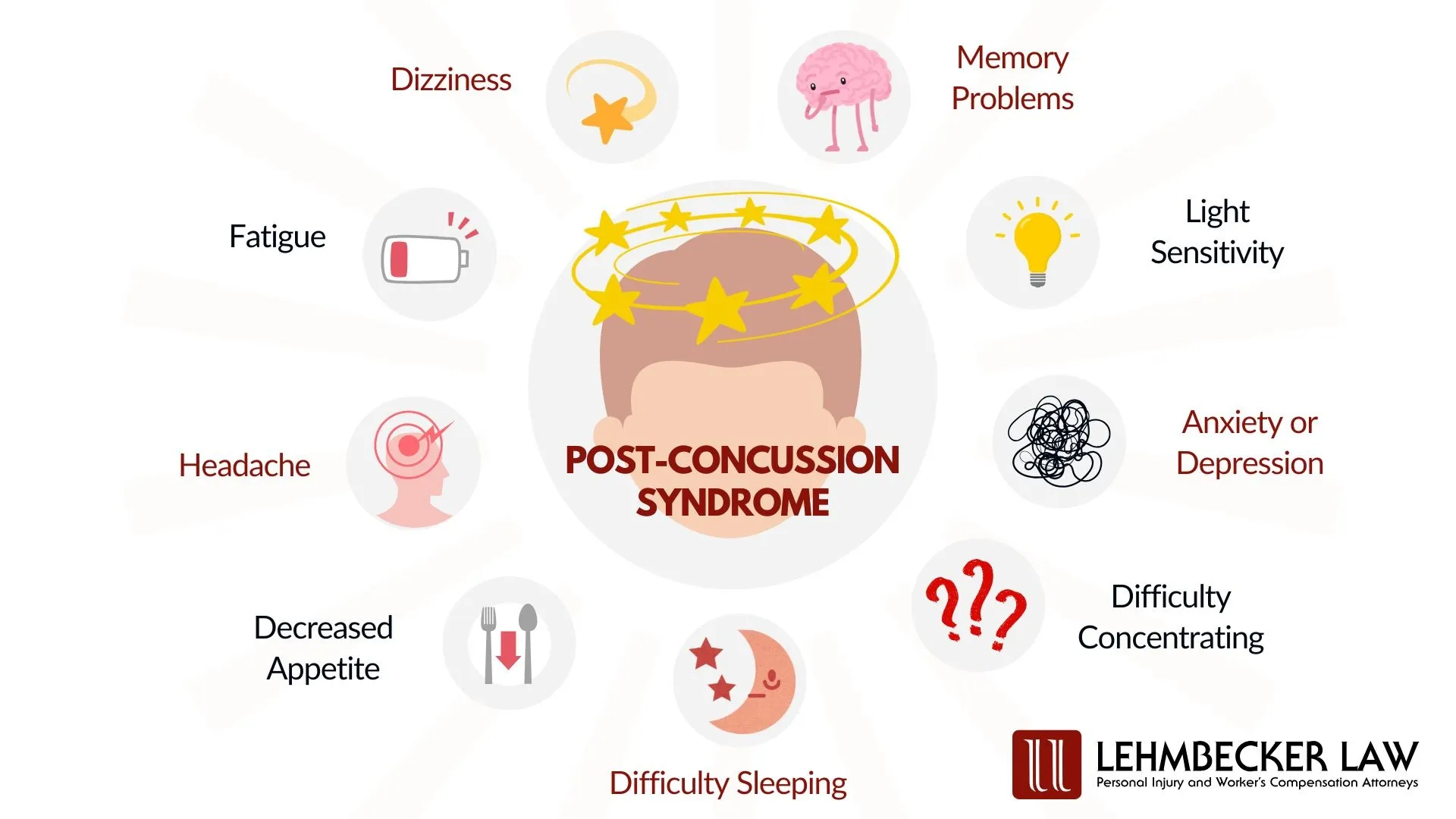
Post-concussion syndrome occurs when symptoms persist for weeks or months after a mild traumatic brain injury. Though labeled “mild”, these injuries can disrupt cognitive, emotional, and physical health. Typical PCS symptoms include:
Some individuals also experience anxiety or depression related to these lingering effects.
Recognizing PCS early is important, as consistent documentation and specialist follow-up form the foundation for any injury claim. Proper diagnosis distinguishes temporary discomfort from a condition that alters daily life.
Settlement data for PCS cases vary widely, but patterns from verdict reports and brain-injury claims reveal general ranges.
In Washington, post-concussion syndrome settlement value typically spans from about $70,000 to over $2 million, depending on severity, medical proof, and the ability to return to work. Minor claims with short-term symptoms might settle below $100,000, while documented neurological impairment can exceed seven figures.
Nationally, brain-injury settlements average $30,000 to $100,000, yet Washington’s jury verdicts tend to be higher due to strong consumer-protection laws and comparative-fault standards that favor injured plaintiffs.
Ultimately, every PCS case reflects a unique mix of medical evidence and life impact rather than a fixed formula.
Several recurring elements drive compensation outcomes in Washington. Each affects how insurers, judges, or juries perceive long-term harm.
These factors collectively determine not just the settlement amount but the perceived credibility of a PCS claim.

Under Washington’s Department of Labor & Industries (L&I), workers diagnosed with PCS may qualify for:
Unlike personal injury lawsuits, workers’ compensation claims against your employer do not include pain-and-suffering damages. However, if a third party (for example, a negligent driver or contractor) caused the head injury, a separate claim may exist alongside L&I benefits.
Knowing when a case crosses from standard workplace injury into third-party liability can substantially change its ultimate settlement value.
Public court records highlight how unpredictable brain-injury compensation can be across Washington counties. While not all involve pure PCS, they demonstrate the state’s potential verdict range.
These figures come from public Washington court filings and jury-verdict summaries, not confidential settlements. They illustrate that while most PCS claims resolve for far less, juries recognize serious brain injuries as life-altering events deserving substantial compensation.

Acting methodically after diagnosis protects both health and legal rights.
By organizing evidence early, victims create a timeline that supports future claims if symptoms persist or worsen.
Consistent treatment and accurate documentation often make the difference between minimal reimbursement and fair recovery.
Washington law generally allows a personal-injury lawsuit to be filed within 3 years of the injury date (RCW 4.16.080(2)). For cases against government entities, a formal Notice of Claim must be filed within 60 days before litigation can be filed (RCW 4.96.020).
Because PCS symptoms can appear gradually, many victims underestimate when the clock begins. The statute usually runs from the accident date, not the symptom-onset date.
Prompt evaluation ensures medical and legal timelines align before important deadlines expire.
For most people, the goal isn’t to chase the highest number but to secure the resources needed for medical care, rehabilitation, and long-term stability for themselves and their family after a brain injury.
Our experienced Seattle personal injury attorneys at Lehmbecker Law help clients across Washington document their recovery, protect their rights, and pursue fair compensation for post-concussion syndrome. If you’re coping with post-concussion challenges, early legal guidance can make all the difference. Contact us today to discuss your case and take the next step toward recovery.

If you’re struggling with headaches, dizziness, or memory loss after a concussion, it may be more than a short-term injury. Our team guides clients through the legal process to secure resources for ongoing treatment and peace of mind.


