There is no fee unless we win!
EN

- EN
- ES



Your phone rings two days after a crash on I-405, and it's the other driver's insurance adjuster. They sound friendly. They ask a few quick questions and mention a settlement number before your X-rays even come back. That call isn't a courtesy. It's the opening move in a negotiation, and the adjuster already knows things about your Bellevue car accident claim that they have no obligation to explain or be honest about.
Our experienced car accident attorneys at Lehmbecker Law have represented injured drivers across Bellevue and the Eastside for decades, and our attorneys hear the same surprises from new clients almost every week. Below are six things insurance adjusters typically won't volunteer after a car accident, and why understanding them can change how much your claim is actually worth.
An early settlement offer usually arrives before your medical treatment is finished, sometimes within days of the crash. Adjusters know that pain, lost wages, and the need for future care often take weeks or months to fully surface. A quick number on the table is rarely tied to your actual damages; it's tied to closing the file before your case grows more expensive for the insurance company.
Once you reach maximum medical improvement, our skilled attorneys can calculate the full value of your car accident claim, including future treatment, lost earning capacity, and pain and suffering, before any number gets accepted.
Adjusters often ask to "get your side of the story on the record" soon after a Bellevue crash. It sounds routine, but a recorded statement is a discovery tool, not a simple formality that won’t matter later. Offhand comments about pain (or lack thereof), who was at fault, or how the accident happened can be taken out of context later to dispute your injuries or shift any blame to you, thus justifying them paying you less money, or even nothing at all for your injuries and damages.
You are generally not required to give a recorded statement to the other driver's insurer. Before answering any questions about your accident, it helps to know what you're agreeing to and how those words might be used during a settlement or claim dispute down the road. We advise contacting our automobile accident attorneys before giving any formal, recorded statements. We can be present for the conversation with the adjuster and protect your rights to fair compensation.
Receiving a settlement check usually comes with a release form, and once you sign it and cash the check, you've accepted its terms. That typically closes your car accident claim for good, even if your injury turns out to be worse than expected. Adjusters are not required to warn you that the release covers future medical bills, additional lost income, or complications tied to the same crash. They are not going to give you legal advice, but that’s where we come in.
We’ll use our advanced knowledge to review the release language and confirm your treatment is complete before you sign, which can prevent you from having to cover future medical costs out of pocket after the case is closed.
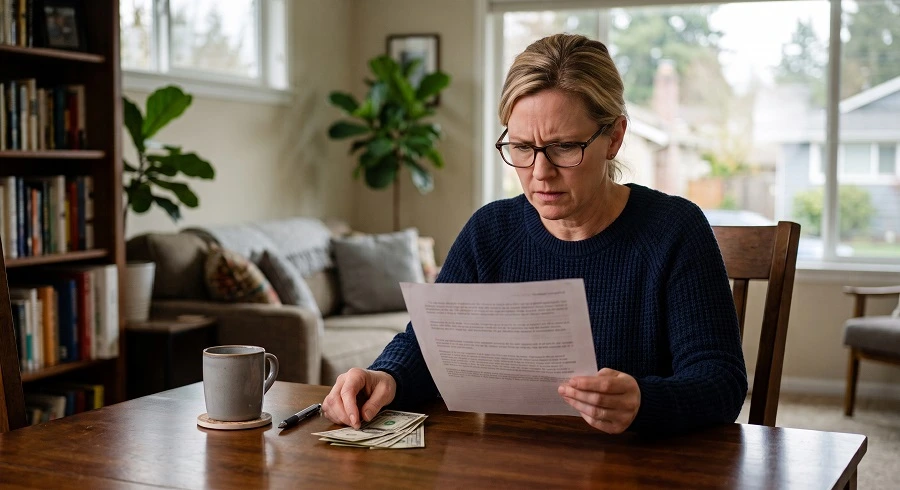
Washington follows a comparative fault rule, meaning your compensation can be reduced by whatever percentage of fault is assigned to you, even if the other driver was mostly responsible. Adjusters know this rule well, and shifting even a small percentage of blame onto you lowers what the insurance company has to pay.
Dashcam footage, witness statements, and the police report all matter here. Without solid evidence, an adjuster may argue you share more fault than you actually do, and that argument directly affects your final settlement.
Adjusters typically explain the coverage restrictions that benefit their side of the claim and help them pay you less money. They don’t have to explain every option that could help you. Personal Injury Protection (PIP) is optional in Washington, and underinsured motorist coverage often goes unmentioned entirely if the at-fault driver's policy limits fall short.
If you carry PIP or uninsured/underinsured motorist coverage on your own policy, those benefits can help pay medical bills and lost wages while your claim is still open. Reviewing your own policy, not just the other driver's, often reveals resources adjusters won't bring up first.
It's an easy detail to forget when an adjuster sounds sympathetic on the phone: their job is to manage claims in a way that protects their employer's bottom line. That doesn't make every adjuster dishonest, but it does mean their goals and yours are not the same, especially once medical bills, lost wages, and long-term recovery are on the table.
Having our knowledgeable car accident attorneys communicate with the adjuster on your behalf shifts the pressure off you and puts someone in your corner with the skills and experience to prioritize your recovery, not the insurer's costs.
A Bellevue car accident claim moves fast, and the insurance company has vastly more experience with the process than you do. Knowing what adjusters typically leave out, like lowball offers or coverage you didn't know you had, can help you avoid a lowball settlement that doesn't reflect what your case is really worth.
If you were injured in a crash in Bellevue or anywhere on the Eastside, the exceptional attorneys at Lehmbecker Law can review your claim, handle communication with the insurance company, and help you pursue the maximum compensation you deserve. Contact us today for a free consultation.
Insurance adjusters are trained to close claims quickly and for less than they're worth. Our experienced Bellevue car accident attorneys will review the offer, your coverage, and your medical records before you agree to anything.


