


What to Do When Your Child Is Bitten By a Dog

One minute your daughter was petting the neighbor’s dog. The next, she is crying, and there is blood on her cheek. Your hands are shaking, and you’re not sure what to do first: call 911, drive to urgent care, or knock on the neighbor’s door.
Start with your child. Get medical care the same day. Once she’s been seen, report the bite to animal control.
The harder questions come later. You might wonder whether the scar will fade, or why she suddenly won’t go near the backyard. The bills pile up for the ER visit, the stitches, and maybe a plastic surgeon. Then the owner’s insurance company calls and asks for a recorded statement before you even know what your child will need.
Lehmbecker Law has represented injured Washington families since 1986. Our experienced dog bite attorneys can help you plan for medical care, scar treatment, and counseling, and pursue a claim that reflects your child’s long-term needs. Talk to us before you talk to the insurer.
First Steps After a Child Dog Bite
The first few minutes matter for your child's health and for any claim that follows. Work through these steps in order.
1. Separate Your Child from the Dog
Move your child away calmly and keep the dog out of reach, whether it belongs to a stranger, a neighbor, or a relative. If the owner is there, ask them to secure the animal.
2. Control the Bleeding and Rinse the Wound
Apply firm pressure with a clean cloth to any bleeding. When it slows, wash the bite with soap and running tap water for several minutes. Don’t scrub the wound.
A bite that leaves the skin intact can often be watched at home. A gaping wound or heavy bleeding needs emergency care.
3. Get Medical Care the Same Day
Even a seemingly minor bite can become infected. Pediatric physicians recommend an exam for puncture wounds, any bite that breaks the skin, and bites on the hands, feet, genitals, or face.
The visit also creates a dated medical record of the injury, which becomes important evidence later.
4. Collect the Owner's Information
Ask for the owner's name, address, phone number, and proof of rabies vaccination. If the dog's owner is unknown, ask neighbors and witnesses what they know about the animal.
Write down the date, the location, and what your child was doing just before the bite while the details are fresh.
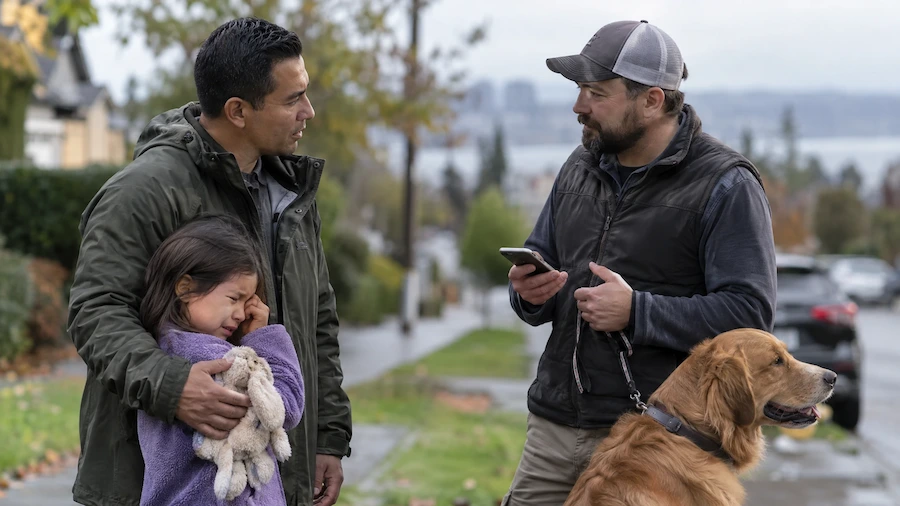
Dog Bite on the Face of a Child: Why It Needs Prompt Treatment
A dog bite to a child's face should be examined by a doctor right away, and any bite to the face or neck, or any large or heavily bleeding wound, should be treated in an emergency department. Physicians at the University of Rochester Medical Center note that children under six face a higher risk of severe bites, and most of those injuries land on the head or neck.
Size is part of the problem. A dog's mouth sits close to a small child's face, so a bite that would hit an adult's hand often reaches a child's cheek, lip, or eyelid instead. The same physicians report that children are also more likely than adults to suffer several wounds in a single attack.
Facial bites can require stitches, sedation for cleaning and repair, and follow-up with a plastic surgeon. When a child's face is bitten, those records often show how much treatment the injury required and how much more may be ahead.
About 4.5 million people are bitten by dogs in the United States each year, and Triple-I reports that most of them are children.
Watch for Infection, Tetanus, and Rabies
Care does not end when you leave the clinic. After a bite that breaks the skin, doctors typically monitor three risks.
Signs of Infection
The first 48 hours matter most. Call your child's doctor if you notice redness that spreads, swelling, tenderness, pus, warmth around the bite, or a fever. Bruising is common after a bite and tends to look dark or purple. Infection usually looks bright red and feels warm.
Tetanus and Rabies
Doctors may recommend a tetanus booster if your child has not had one in the past five years. Rabies shots are generally needed only when the dog's vaccine status is unknown, or the animal cannot be observed. If the dog is healthy and can be watched, it is usually observed for 10 days, and no shots are needed if it stays well. Rabies shots are generally considered when the dog can’t be found or observed, or shows signs of illness.
How to Help Your Child Cope After a Dog Bite
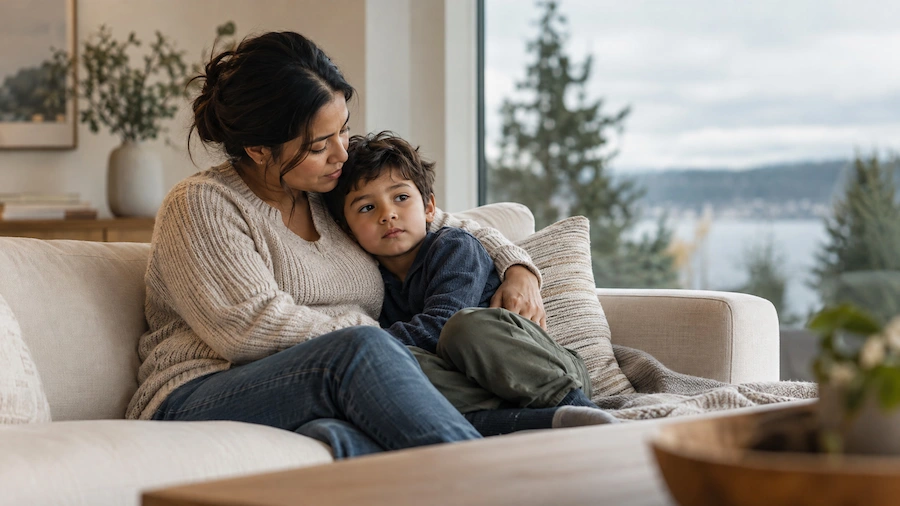
A bite can leave a child afraid of dogs, restless at night, or unwilling to play outside. Those reactions are real injuries, and they deserve the same attention as the physical wound.
Choose your words carefully. Doctors at URMC caution that young children may blame themselves if they hear that the dog will be sent away or put down. Reassure your child that the bite was not their fault, and let them talk about what scared them.
Tell your pediatrician about nightmares, avoidance, or changes in behavior. Counseling costs, and the records that support them, can become part of a claim.
If a Dog Bites a Child, Will It Bite Again?
It might. No reliable percentage exists, because the risk depends on why the dog bit and whether the same circumstances happen again. The American Veterinary Medical Association points to an individual dog's history and behavior as a better predictor than its breed.
Washington law treats a first bite seriously. Under RCW 16.08.070, a dog that bites a person without provocation can be classified as "potentially dangerous". If an owner has been notified of the finding and the dog bites again, the dog can be classified as "dangerous".
Insurers see it the same way. Triple-I notes that once a dog has bitten someone, it poses an increased risk, and insurance companies may raise premiums or exclude the dog from coverage.
This is why a report matters. Animal control can only act on what is on record, so file one and keep your child away from the dog until it has been evaluated.
Report the Bite and Keep Records
Good documentation protects your child's health and strengthens a claim. Gather these items while details are fresh.
- Photos from day one: Photograph the wound before treatment if you can, then every few days through healing. A series shows how the injury changed, which one picture cannot.
- Medical and billing records: Keep records from the emergency room, pediatrician, plastic surgeon, and any therapist.
- An official bite report: File with your local animal control agency, sheriff, or police department, such as Regional Animal Services of King County. A report you file yourself ties the incident to a specific dog and owner.
- Witness details: Names and phone numbers of anyone who saw the attack or knows the dog.
- Clothing and the scene: Save torn or bloodstained clothing, and photograph any gap in a fence or an unlatched gate.
- A short journal: Note pain levels, missed school, nightmares, and new fears. Small entries add up to a clear picture.
Washington Dog Bite Law and Your Child's Rights
Under RCW 16.08.040, a dog owner in Washington is liable when their dog bites someone in a public place or when the victim is lawfully on private property, including the owner's own property. It does not matter whether the dog ever bit anyone before. You can read more in our guide to dog bite laws in Washington State.
A child visiting a grandparent, neighbor, or friend is usually lawfully on the property. Insurers sometimes argue provocation, such as a tail pull or a grabbed toy, so the facts of how the bite happened matter. Evidence gathered early helps answer that argument.
Compensation typically comes from the owner's homeowners or renters policy. Triple-I reports that these policies usually carry liability limits of $100,000 to $300,000, and the owner is responsible for damages above the limit.
#cta_start
Don't Let an Adjuster Define Your Child's Injury
Insurance adjusters may call within days and ask for a recorded statement or offer a quick payment. Talk with Lehmbecker Law first. We will review your child's injuries and explain what a fair claim should include.
Speak with a Washington Dog Bite Attorney
#cta_end
How to Find a Lawyer for Child Dog Bite Injuries
Claims for injured children work differently from adult claims. A child dog bite lawyer should be able to answer these points plainly.
- Washington dog bite experience: Ask how often the firm handles claims under RCW 16.08.040 and what it does when an insurer argues provocation.
- Knowledge of minor settlement rules: A court must approve a child's settlement in Washington, so your lawyer should know the process.
- A plan for scars and future care: Look for a firm that works with treating physicians to document what the injury may require down the road.
- Clear fee terms: Most injury firms work on a contingency basis, meaning the fee is taken from a recovery. Confirm this in writing.
- Direct communication: You should know who to call and get answers in a reasonable time. Language access matters too.
At Lehmbecker Law, attorney Larry Lehmbecker has practiced in Washington for four decades, and our team includes Spanish-speaking staff. Our fee is a percentage of any recovery, so you pay nothing upfront, and the first consultation is free. Browse our case results to see the kinds of claims we have handled. Past results do not predict future outcomes.
Compensation for a Child Dog Bite Injury in Washington
Compensation in a child dog bite case is meant to cover what the injury has already cost and what it may cost later. Claims generally fall into two groups.
Economic Damages
These are losses you can document with bills and records:
- Emergency care, hospital stays, and follow-up visits;
- Plastic surgery and scar treatment;
- Therapy and counseling;
- Future medical care your child's doctors expect;
- Parents' lost income while caring for the child, and travel to appointments.
Non-Economic Damages
These address the personal harm that no receipt captures:
- Physical pain during treatment and recovery;
- Fear of dogs, anxiety, and sleep problems;
- Permanent scarring or changes in appearance;
- Missed activities and lost confidence.
Treating physicians and therapists can help show how long these effects may last, which is why consistent follow-up care matters for the claim as well as for your child.
Child Dog Bite Scar Compensation Claim

A child dog bite scar can support a claim for both the cost of treatment and the lasting effect of disfigurement. Facial scars carry extra weight because they are visible every day and can affect how a child feels about school, friends, and photos.
A scar may change as a child grows, so one visit rarely tells the whole story. A plastic surgeon can explain whether revision is likely, when it should happen, and what it may cost. Dated photos taken over months and years show how the scar developed.
When a scar is part of the claim, those opinions and photos help support both future medical costs and non-economic damages for appearance and emotional impact.
Average Settlement for a Child Dog Bite
There is no fixed average settlement for a child dog bite, because the value depends on the injuries, the treatment needed, and the available insurance. For context, Triple-I reports that the average homeowners dog bite claim paid $65,450 nationwide in 2025. That figure covers victims of all ages and blends minor bites with severe ones.
In our experience, claims for less serious injuries may resolve in the tens of thousands of dollars. Cases involving permanent facial scarring, nerve damage, or serious psychological harm can reach and exceed $500,000. These are general ranges, not predictions for any individual child.
Because the injured person is a minor, a Washington judge must approve the settlement under SPR 98.16W, and the court usually appoints a settlement guardian ad litem to review whether the amount is adequate. Use our dog bite settlement calculator or read about average dog bite settlements in Washington for more detail.
Deadline to File a Child's Dog Bite Claim in Washington
Most Washington injury lawsuits must be filed within three years under RCW 4.16.080. For a child, that period generally does not begin to run until age 18 under RCW 4.16.190, which sets the deadline at age 21.
Two caveats apply. A parent's own claim, such as for medical bills the family paid, may be subject to the standard three-year clock. And if a city, county, or other local government is involved, RCW 4.96.020 requires a formal claim first, followed by a 60-day waiting period.
A longer deadline does not make waiting wise. Witnesses move, photos get lost, and insurers question gaps in treatment.
What Happens Next
You do not have to sort out insurance, medical bills, and legal rules while caring for an injured child. Our team can review the facts, explain your options, and handle communication with the insurer.
Lehmbecker Law has helped Washington families since 1986. Reach us through our contact page to talk through your child's situation.

Get an Estimate of Your Settlement



Latest News & Insights
Dog Bite Injuries: Infection, Nerve Damage & Scarring
Top 5 Common Construction Site Accidents in Washington and What to Do If You're Injured
Construction Site Injury Rates in Washington: A 5-Year L&I/OSHA Data Study
FAQ
What if the dog's owner has no insurance?
The owner is still liable. RCW 16.08.040 applies whether or not a policy exists, but collecting depends on the owner's assets. We also look for other coverage when the facts support it, such as an umbrella policy.
Who pays my child's medical bills while the claim is pending?
Your health insurance usually pays first. The insurer may later ask to be reimbursed from the settlement, and the settlement guardian ad litem's report on a minor's settlement includes a discussion of any liens. Some homeowners policies also include a small medical payments benefit that applies regardless of fault, so ask about it.
Will the settlement money go to me as the parent?
Not directly. A judge reviews the settlement under SPR 98.16W and decides how the funds are handled. That may include a restricted account or structured payments until your child is an adult.
Should I post about the bite on social media?
Hold off. An insurer can take a photo, a caption, or a comment about your child's activities out of context. Share updates privately with family and send photos to your attorney instead.
What if the dog was a stray or the owner cannot be found?
Report it immediately. Give animal control a description of the dog, where it ran, and anything neighbors recall. They may be able to locate the dog and its owner, but a rabies check is still needed. Your child's health insurance can cover treatment while the search continues.