


Dog Bite Injuries: Infection, Nerve Damage & Scarring

A puncture that looks minor on Monday can be infected by Friday. Numbness and scars can last far longer. In Washington, if you were in a public place or lawfully on private property, the dog owner is liable for harm caused by a bite under RCW 16.08.040. Their homeowners or renters insurance usually pays.
If you were bitten, our Washington dog bite attorneys can review your case for free.
Common Dog Bite Injuries in Washington
Dog bites cause more than torn skin. Three injuries tend to drive the long-term cost of a bite: infection, nerve damage, and scarring.
Home insurers across the country paid about $1.86 billion in 2025 for 28,450 dog-related injury claims, according to the Insurance Information Institute's Triple-I data.
| Injury | How It Happens | Why It Matters |
|---|---|---|
| Infection | Bacteria from the dog's mouth are pushed under the skin | May need antibiotics, drainage, or hospital care |
| Nerve Damage | Teeth cut the nerve, or jaw pressure bruises or stretches it | Numbness, weakness, or lasting nerve pain |
| Scarring | Deep, torn or stitched wounds | Visible marks that may need revision |
| Emotional Harm | Fear and trauma after the attack | Anxiety, sleep problems and fear of dogs |
Washington claims tend to run higher per claim. In 2024, the national average was $69,272, while Washington home insurers paid an average of $88,529 on 439 dog bite claims totaling $38.9 million, according to the Northwest Insurance Council.
Dog Bite Infection Symptoms and Warning Signs
Infection is the most common early complication and can occur after you have left the clinic. Knowing what to watch for helps you get treated before it spreads.
Signs of Dog Bite Infection
Most bite infections start with bacteria from the dog's mouth, such as Pasteurella, which are among those most often found in infected wounds, per AAFP guidance. The signs of dog bite infection usually build over the first few days. Check the wound and the skin around it for:
- Redness or color change that spreads;
- Swelling that grows instead of shrinking;
- Warmth around the bite;
- Pain that gets worse rather than easing;
- Pus or oozing from the wound;
- Red streaks moving away from the bite;
- Fever, chills, or swollen lymph nodes.
Call a doctor the same day if you notice any of these. Streaking, fever, or rapid swelling can indicate the infection is spreading beyond the wound.
How Likely Is Infection After a Dog Bite?
The infection rate after a dog bite ranges from 2% to 25%, according to StatPearls (NIH). The risk climbs with bites to the hand, wounds longer than about 3 centimeters (just over an inch), and long delays before treatment.
An infected bite can mean extra doctor visits, medication, or hospital time, and each of those costs belongs in the record that supports your claim.
Why Same-Day Medical Care Matters for a Claim
Same-day treatment protects your health and creates a dated medical record that links the injury to the attack. Insurers look closely at gaps between the bite and the first visit, so a delay can be used to question the severity of the injury.
Can a Dog Bite Cause Nerve Damage?
Yes. A dog bite can damage nerves in two ways: teeth can cut or tear a nerve, and the crushing force of the jaws can bruise or stretch one even when the skin barely breaks.
Nerves run close to the surface in the hands, forearms, face, and neck, so those areas are the most exposed. Dog bite nerve damage may not be noticed until the swelling subsides and numbness or weakness persists.
Types of Dog Bite Nerve Damage
Doctors commonly sort nerve injuries into three grades using the Seddon classification. Each grade points to a different recovery path.
| Grade | What Happens to the Nerve | Typical Outlook |
|---|---|---|
| Neurapraxia | Nerve is bruised or compressed but intact | Often recovers over days to weeks |
| Axonotmesis | Nerve fibers are damaged, but the outer structure stays intact | Fibers can regrow slowly, so recovery may take months |
| Neurotmesis | Nerve is completely cut | Usually needs surgical repair, and full recovery is not certain |
A single bite can cause more than one grade. The nerve closest to the teeth may be cut while a nearby nerve is only compressed.
Symptoms of Nerve Damage from a Dog Bite
The symptoms of nerve damage from a dog bite depend on which nerve was hurt. Common signs include:
- Numbness or reduced feeling near the bite;
- Tingling or "pins and needles";
- Burning or shooting pain;
- Weakness or trouble gripping objects;
- Muscle twitching;
- Sensitivity to touch, heat, or cold;
- Difficulty moving a finger, hand, or part of the face.
Tell your doctor about any patch of numbness at the first follow-up visit. Nerve problems are easier to document when they are reported early.
Dog Bite on Hand Nerve Damage
A dog bite to the hand carries two risks at once: a higher risk of infection and injury to the small nerves that control sensation and grip. Adults commonly sustain bites on the hands and arms, so these two risks often show up together.
Nerve fibers regrow at roughly 1 millimeter per day, so an injury near the wrist can take many months to reach the fingertips. StatPearls (NIH) notes that muscle left without a nerve signal for 12 to 18 months may not recover fully, and that clinicians often step in when there is no sign of improvement within three to six months. If numbness or weakness is not improving, ask for a referral to a hand surgeon.
#cta_start
Numbness or Weakness After a Dog Bite? Get the Legal Side Reviewed.
Nerve injuries take months to measure, and insurance adjusters often make offers long before the full picture is clear. Lehmbecker Law's Washington State attorneys can explain your options before you accept anything.
#cta_end
Dog Bite Scars: What to Expect as the Wound Heals
A scar is the part of a bite injury other people can see, and it keeps changing long after the wound closes. Its location, depth, and how the wound was closed all affect how it looks once it settles.
Dog Bite Scar on Face
A dog bite scar on the face often causes the most distress, especially for children, who are commonly bitten on the head, face, and neck because of their height, according to StatPearls (NIH). The scar can change how a person looks, how they feel in public, and sometimes how the skin moves around the eye or mouth.
Facial wounds are one of the cases where doctors may close the wound with stitches for cosmetic reasons. Stitching reduces the visibility of the mark but does not erase it, so a dog-bite facial scar may still require follow-up care from a plastic surgeon or dermatologist.
Dog Bite Scars Before and After
A scar does not look the same at week two as it does at month eighteen. The Cleveland Clinic says most scars need 12 to 18 months to mature.
- First weeks: Stitches or an open wound, scabbing, swelling, and bruising;
- 1 to 3 months: A red or raised scar that may feel tight or itchy;
- 3 to 12 months: Gradual flattening and fading, with some color difference;
- 12 to 18 months: A scar close to its final appearance.
Take photos of the bite at set intervals, weekly at first, then monthly thereafter. Dog bite scars before and after photos show an insurer how the injury actually progressed.
Healed Dog Bite Scar: Revision and Your Claim
A healed dog bite scar can still be treated, and the cost of that care is part of your damages. Surgeons usually wait until the scar matures, which can take 12 to 18 months, because new scars tend to respond poorly to revision.
Ask your surgeon for a written treatment plan and cost estimate. Future procedures can be included in a dog bite claim when a doctor deems them necessary.
Who Pays for Medical Bills After a Dog Bite in Washington
In most cases, the dog owner's homeowners or renters liability insurance pays a bite victim's medical bills, but only after a claim is made. In the meantime, you may need to use your own health insurance.

The Owner's Insurance
Homeowner’s and renter’s policies typically cover dog bite liability up to the policy limit, usually $100,000 to $300,000, and the owner is responsible for anything above that, according to Triple-I data.
Washington's strict liability rule means you do not have to prove the owner was careless, and the insurer, not the owner personally, usually handles the payout.
Owners of dogs declared dangerous face a higher bar. They must carry either a $250,000 surety bond or a liability policy of at least that amount under RCW 16.08.080.
Your Health Insurance and Medical Payments Coverage
Your health plan can pay providers while the claim is pending. Many plans have a right to be repaid from a settlement, so keep every explanation of benefits.
Some homeowners policies also include a small medical payments benefit for guests that does not depend on fault. Ask the owner's insurer whether the policy has one.
If the Dog Owner Has No Insurance
The owner is still liable under RCW 16.08.040, but collecting is harder without a policy. Early legal review matters in these cases. Try to get the owner's name, address, and homeowners or renters insurer as soon as you can. Animal control reports often list the owner, which saves time later.
If you were bitten while working, workers' compensation through L&I may cover treatment. Our workers' comp guide explains how the two can overlap.
Dog Bite Nerve Damage Settlement: What Affects the Value
No chart can tell you what a nerve injury claim is worth, because the value depends on how lasting the damage is. National averages give context only, and our settlement calculator can give you a rough starting point.
Factors that move the value of a claim include:
- Whether doctors consider the nerve damage permanent;
- Surgeries, therapy, and other future treatment;
- Effects on work, such as lost grip strength in a dominant hand;
- Scar location and visibility;
- Emotional harm, including fear of dogs;
- Available insurance limits;
- Any dispute about provocation or trespassing.
Settling before the full extent of nerve damage is known is a common mistake. A quick offer rarely accounts for months of recovery or later procedures.
For context, the national average paid claim was $65,450 in 2025, down from $69,272 in 2024, according to Triple-I data. Washington's average was $88,529 in 2024. These averages blend minor bites with severe injuries, so a dog bite nerve damage settlement can look very different from any of these numbers.
Evidence That Supports Infection, Nerve and Scar Claims
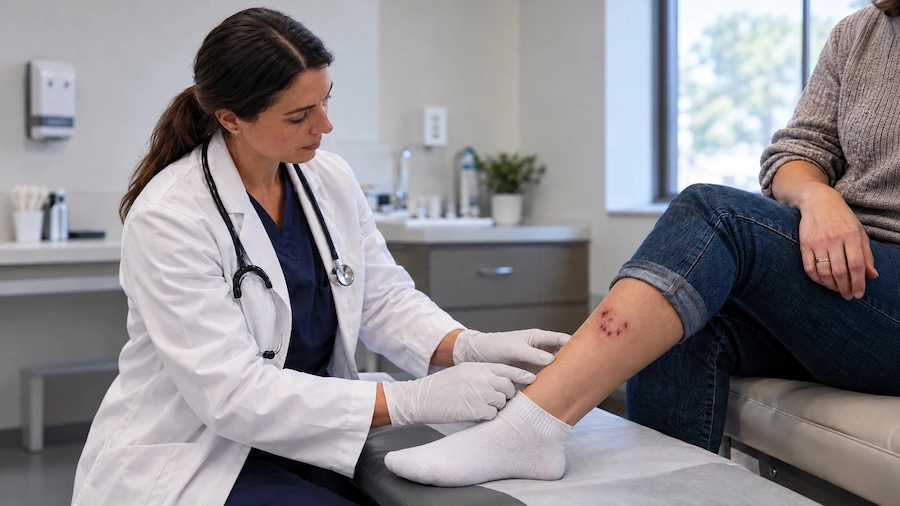
Insurers look for gaps in treatment and documentation. These records help close them:
- Emergency and follow-up medical records from every provider;
- Referrals and test results for nerve problems;
- Dated photos of the wound, infection, and scar over time;
- Animal control or police reports;
- Receipts, bills, and pay stubs;
- A written account of daily limits, such as trouble gripping or sleeping.
Time Limits for a Washington Dog Bite Claim
The deadline depends on who was bitten and who is responsible.
The Standard Three-Year Deadline
Most Washington personal injury lawsuits must be filed within three years under RCW 4.16.080. Missing that date usually ends the claim, no matter how serious the injury.
Deadlines When a Child Is Bitten
For a child, the clock generally does not start until age 18 under RCW 4.16.190. Even so, medical records and witness memories fade, so parents should not wait to document a child's injuries. A parent’s own claim for the child’s medical bills may have a shorter deadline, so don’t rely solely on the age-18 rule.
Claims Against a Government Agency
Claims against a local government require a tort claim form under RCW 4.96.020 before suing, followed by a 60-day waiting period.
When a Police Dog Is Involved
Bites by a police dog during lawful police work fall outside the scope of RCW 16.08.040, so a different set of rules applies. Because the dog works for a government agency, a claim may involve different defendants and notice requirements, so get legal advice before assuming the standard process applies. Our guide to police dog bites explains what you can do.
How Lehmbecker Law Handles Dog Bite Injury Claims
Lehmbecker Law has represented injured people across Washington since 1986. Our attorneys gather medical records, track how infection, nerve damage, and scarring develop, and deal with the insurance company for you.
We take dog bite cases on a contingency basis, so legal fees are paid from a recovery rather than out of your pocket. To talk through your situation, contact our team for a free consultation.

Get an Estimate of Your Settlement



Latest News & Insights
What to Do When Your Child Is Bitten By a Dog
Top 5 Common Construction Site Accidents in Washington and What to Do If You're Injured
Construction Site Injury Rates in Washington: A 5-Year L&I/OSHA Data Study
FAQ
Can I file a claim if the dog belongs to a friend or family member?
Yes, as long as you were lawfully on the property. Washington's strict liability rule applies to any dog owner, including someone you know. The claim is normally paid by the owner's homeowner’s or renter’s policy, so it does not usually mean taking money from your friend or relative personally.
What if I provoked the dog or was partly at fault?
It can reduce or even bar your claim. Insurers often argue that the victim teased the dog or entered private property without permission. Whether that argument holds up depends on the facts, such as what the dog was doing, where you were, and whether any witnesses saw what happened.
Can I recover lost wages if nerve damage keeps me from working?
Yes. Lost pay during recovery can be part of the claim, and so can reduced earning capacity if the injury permanently limits the work you can do. Pay stubs, a doctor's work restrictions, and an employer letter help show the loss.
How much does a dog bite lawyer cost?
Usually nothing upfront. We work on a contingency fee basis, which means legal fees are paid from the recovery rather than out of your pocket. Ask any attorney to explain the fee percentage and case costs in writing before you sign.
Should I give a recorded statement to the owner's insurance company?
Not before speaking with a lawyer. Adjusters may ask for a recorded statement early, when your injuries are still developing. Anything you say about pain, symptoms, or the incident can be used later to question the size of your claim.