There is no fee unless we win!
EN

- EN
- ES


A dog bite can quickly run up thousands of dollars in medical bills, and most owners and victims ask whether homeowners insurance will cover it. Often it does, but not always for the full amount. Whether a claim goes through cleanly or gets denied usually depends on the carrier, the policy's fine print, and the dog's history.
At Lehmbecker Law, our dog bite attorneys walk injured Washingtonians through exactly what a homeowner's policy is likely to pay, where insurers tend to push back, and what options remain when a carrier won't cooperate.
A standard policy actually has two separate places a dog bite claim can draw from, and they work very differently in practice.
When a dog owner is found responsible for a bite, this is where the money usually comes from. It's meant to reimburse the injured person for medical care and related legal expenses, and it can sometimes cover wages missed during recovery. Coverage limits vary by carrier, but many Washington insurance policies fall in the $100,000 to $300,000 range, and higher limits are available for homeowners who purchase additional protection.
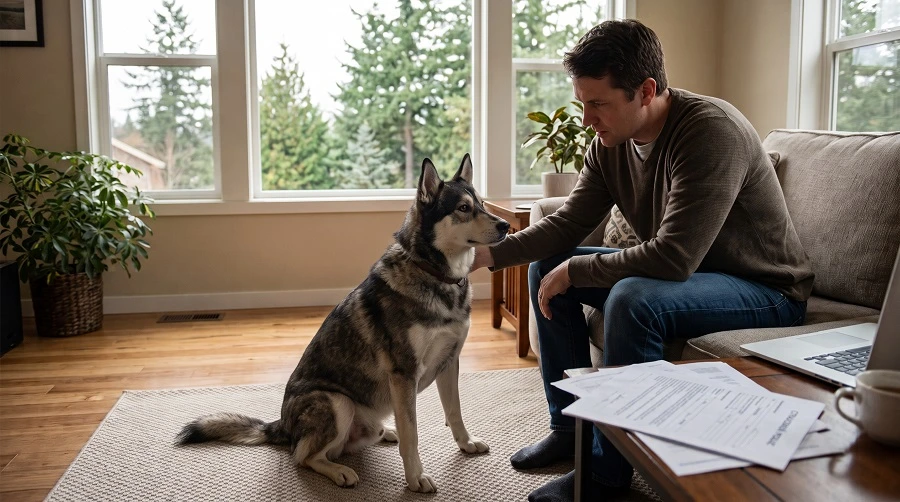
Separate from liability, many policies also include a small, no-fault benefit meant for quick, minor treatment. It typically tops out in the low thousands of dollars and doesn't require anyone to prove the dog owner did something wrong. This coverage usually only kicks in when the incident happens on the policyholder's property, so it won't help if someone is bitten elsewhere, off-property.
Coverage isn't guaranteed just because you have a policy. Insurers build carve-outs into their contracts, and any of the following can leave a dog bite claim unpaid or only partly paid:
Because Washington doesn't broadly prohibit breed-based underwriting, it's worth reading the exclusions section of any policy involved in a claim line by line, or having someone review it for you, rather than assuming coverage applies.
The process looks similar whether you're the injured person filing against someone else's policy or a dog owner reporting an incident on your own.
Once submitted, an adjuster reviews the file and decides how much, if anything, to pay. Because insurers scrutinize dog bite claims more heavily than many other liability claims, involving an attorney early can prevent avoidable mistakes that shrink a settlement.
A paid claim doesn't just close out; it can follow the dog owner going forward. Many carriers respond to a dog-related payout by raising the policy's premium at the next renewal. Others go further, adding a permanent exclusion for that particular animal, requiring proof of a secure enclosure or muzzle, or simply choosing not to renew the policy. Owners who later shop for coverage elsewhere may also find that new insurers ask directly about any past dog bite claims during the application process, which can affect available options and pricing.
Dog bites rank among the costlier types of homeowners liability claims nationwide. According to the Insurance Information Institute, insurers across the country paid $1.57 billion on 22,658 dog-related injury claims in 2024, a nearly 19% jump in claim volume from 2023. The average payout per claim climbed to $69,272, up 86% over the previous ten years, largely reflecting higher medical costs and more serious injuries being reported.
Individual settlements in Washington swing widely based on how severe the wound is and whether it required surgery or extended time off work. For a rough starting estimate on your own case, try our dog bite settlement calculator.
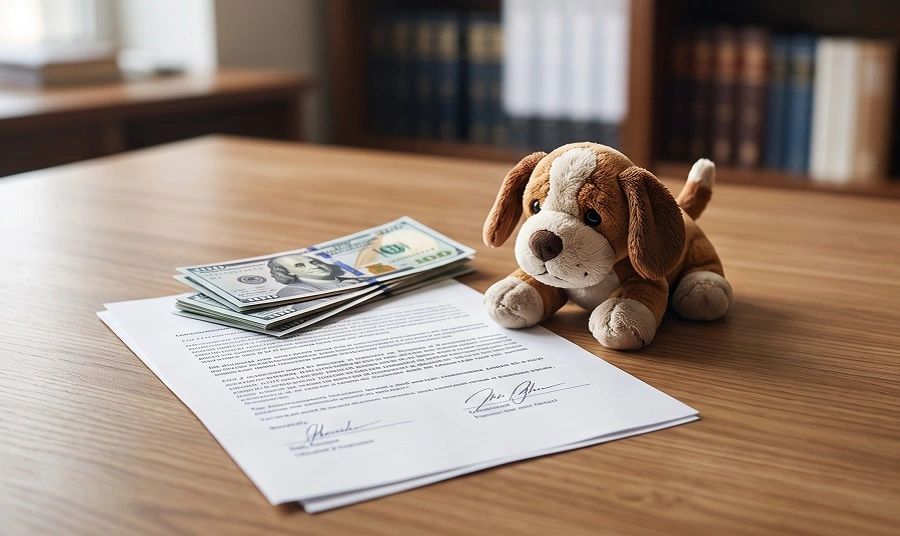
An uninsured owner, or a carrier that flatly denies the claim, doesn't necessarily leave you empty-handed. Depending on the circumstances, you may still be able to pursue:
Talking with an attorney before assuming an uninsured owner means no recovery is possible can uncover paths you might not find on your own.
Under RCW 16.08.040, Washington holds the dog's owner responsible for injuries their animal causes to anyone lawfully in a public place or lawfully present on private property, including the owner's own yard, and it doesn't matter whether the dog has ever shown aggression before. This strict liability standard means the injured party doesn't need to show the owner was negligent or already knew the dog was dangerous.
Insurance is simply the mechanism that usually pays that obligation. If coverage falls short or doesn't exist, the legal responsibility doesn't disappear; it shifts to the owner personally. The one significant defense available under Washington law is provocation. If the person who was bitten provoked the dog, the owner may be able to avoid liability entirely.
For a sense of what these claims are actually worth in practice, see our breakdown of average dog bite settlement amounts in Washington.
Between reading a policy's fine print, pushing back on an adjuster's first offer, and applying Washington's strict liability rule to your specific facts, a dog bite claim can get complicated fast.
Lehmbecker Law uses our advanced knowledge to review the coverage at issue, pull together the medical and incident records that support your claim, and deal with the insurance company directly so you don't have to. If you've been bitten and want to know where things stand, contact our team for a free consultation.
Policy language is written to protect the insurer, not to explain your options in plain terms. Lehmbecker Law can pull the policy behind your case, tell you what it realistically covers, and push back when a carrier tries to shortchange a valid claim.


Renters insurance has its own liability section that works much like a homeowner's, so a dog bite involving a tenant's dog is generally handled the same way, within that policy's limits and any breed-related restrictions it includes.
If your carrier won't cover your dog's breed, a bite involving that dog may leave you personally on the hook for damages. Many owners in that situation look into a standalone liability policy or an umbrella policy that doesn't apply the same breed limitation.
Under RCW 4.16.080, most personal injury claims, dog bites included, must be filed within three years of the incident. Missing that window can end your ability to recover, so it's best to get legal advice long before it approaches.
No. A claim made against someone else's liability or medical payments coverage has nothing to do with your own policy, so it won't affect your coverage, your premium, or your claims history.