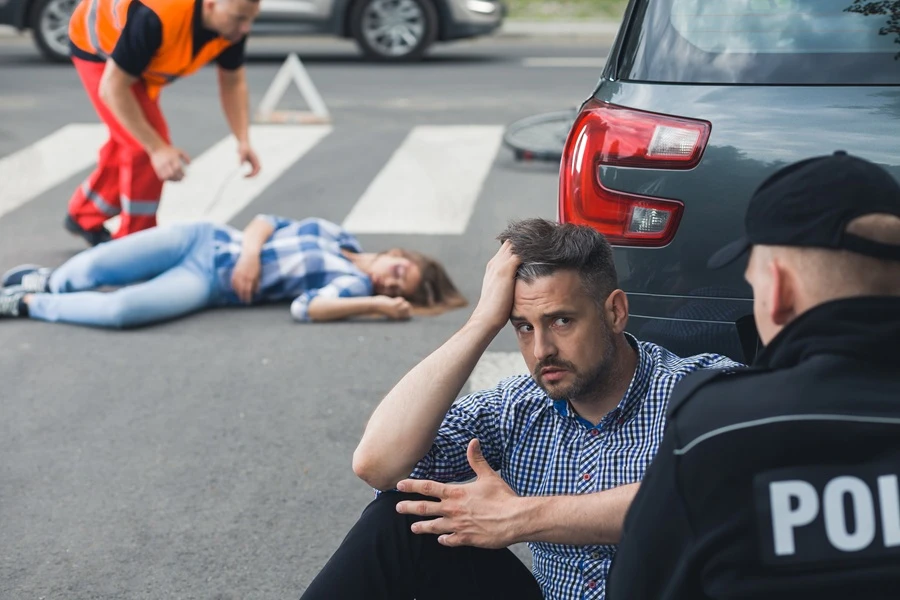
Pedestrian accident settlements in Washington vary significantly based on multiple factors. Working with Seattle pedestrian accident lawyers who understand the state's legal system is key to recovering fair compensation.
This guide will walk you through everything you need to know about receiving compensation for pedestrian injuries when hit by a car in Washington, including what affects settlement amounts, how to maximize your financial recovery, and why working with an experienced pedestrian accident attorney matters.
What Are Pedestrian Accident Settlements in Washington?
When discussing the average payout for pedestrian accidents, it's important to recognize that no two cases are identical. Settlement data shows considerable variation depending on injury severity and case circumstances.
According to the Washington Traffic Safety Commission, 157 pedestrians were killed in traffic accidents across Washington state in 2023, the highest number on record. Nationally, the National Highway Traffic Safety Administration (NHTSA) reported 7,388 pedestrian fatalities and approximately 60,577 pedestrian injuries in 2021 alone. These sobering statistics underscore the serious nature of pedestrian accident cases and why adequate compensation is so important for the victims.
Minor injuries: Pedestrian accident cases involving minor injuries, such as sprains, bruises, or minor soft tissue damage, typically settle between $2,500 and $30,000. These cases usually involve shorter recovery periods and less extensive medical treatment.
Moderate injuries: For moderate injuries like fractures, significant soft tissue damage, or concussions, settlements often range from $30,000 to $150,000. These pedestrian accident injuries require more substantial medical care and may result in several weeks or months of recovery time. Research indicates that the average settlement amount for moderate injury claims in Washington car accidents is approximately $25,181, though pedestrian accident cases often involve more serious injuries due to the lack of protection.
Severe injuries: When pedestrians suffer severe injuries, including traumatic brain injury, spinal cord injury, multiple fractures, or catastrophic injuries, settlements frequently reach six or seven figures. These cases involve extensive medical treatment, long-term rehabilitation, and permanent disability.
Fatal accidents:Wrongful death claims arising from fatal pedestrian accidents can exceed $1 million, particularly when the victim left behind dependents or had a significant earning capacity.
$5.75 Million Settlement for a Catastrophic Pedestrian Injury
Lehmbecker Law secured a nearly $6 million recovery for a family whose father was struck by a vehicle and left catastrophically injured, requiring round-the-clock care. We proved the driver’s full liability, uncovered multiple layers of insurance coverage, including an umbrella policy and underinsured motorist policy, and built a powerful case demonstrating the father’s lifelong medical needs and the emotional toll on his family. Within nine months, all three insurance carriers paid their policy limits, and we successfully negotiated down over $1 million in medical liens to ensure the family received the compensation they deserved.
Key Factors That Determine Pedestrian-Hit-by-Car Compensation
Multiple elements influence how much compensation pedestrian accident victims can recover. An experienced pedestrian accident lawyer will evaluate these factors when building your case.
Severity and Nature of Injuries
The extent of pedestrian accident injuries plays the most significant role in determining settlement value. More serious injuries that require extensive medical treatment naturally result in higher compensation. According to NHTSA data, pedestrians are particularly vulnerable because they lack the protective structure of a vehicle.
When pedestrians are hit by a car, their unprotected bodies absorb the full force of impact, often resulting in injuries more severe than those sustained by vehicle occupants in similar collisions.
Medical Bills and Future Medical Expenses
All accident-related expenses factor into your settlement. This includes:
Emergency room treatment
Hospital stays and surgeries
Ongoing medical treatment
Physical therapy and rehabilitation
Prescription medications
Medical equipment and assistive devices
Future medical bills for long-term care
Your personal injury lawyer will work with medical professionals to accurately calculate both current medical expenses and future medical expenses you'll likely incur.
Lost Wages and Lost Income
When pedestrian accident injuries prevent you from working, you can seek compensation for:
Wages lost during recovery
Reduced earning capacity
Lost future earning potential
Benefits and bonuses you would have received
Missed opportunities for career advancement
Pain, Suffering, and Emotional Distress
Beyond economic damages, you can also recover compensation for physical and emotional distress caused by the accident. This includes:
Physical pain and discomfort
Emotional trauma and anxiety
Loss of enjoyment of life
Depression and PTSD
Permanent scarring or disfigurement
Liability and Driver Negligence
Washington operates under a pure comparative negligence system. This means you can recover compensation even if you bear some responsibility for the accident, though your percentage of fault will reduce your settlement.
The amount of insurance coverage significantly impacts potential compensation. Washington requires drivers to carry minimum liability coverage of $25,000 per person and $50,000 per accident for bodily injury. However, these limits are often insufficient for serious pedestrian accident cases.
Additional insurance sources may include:
At fault driver's insurance policy
Your own uninsured motorist coverage or underinsured motorist coverage
Types of Compensation in Pedestrian Accident Cases
Pedestrian accident victims can seek several types of damages through personal injury claims.
Economic Damages
These are quantifiable financial losses:
Medical costs from initial treatment through ongoing care
Future medical treatment expenses
Lost wages during recovery
Loss of earning capacity
Property damage (such as damaged personal items)
Accident-related expenses, like transportation to medical appointments
Non-Economic Damages
These address intangible losses:
Pain and suffering
Emotional distress and mental anguish
Loss of quality of life
Loss of companionship
Permanent disability or disfigurement
Wrongful Death Damages
When a pedestrian is fatally injured, family members can pursue compensation for:
Funeral and burial expenses
Loss of financial support
Loss of companionship and guidance
Medical bills incurred before death
Note that Washington does not allow punitive damages in most personal injury cases, including many pedestrian accidents, even when driver negligence is egregious.
Common Causes of Pedestrian Accidents in Washington
Understanding how pedestrian accidents occur helps establish liability. According to the Washington Department of Transportation, the most common action by motorists that causes pedestrian accidents is failure to yield.
Driver-Related Factors
Failure to yield to pedestrians at crosswalks and traffic signals
Distracted driving (texting, phone use, eating)
Speeding through residential areas or school zones
Impaired driving (alcohol or drugs)
Running red lights or stop signs
Making improper turns
Backing up without checking
Environmental Factors
Poor visibility due to weather conditions
Inadequate lighting at the accident scene
Obstructed views from parked vehicles or landscaping
Even when a pedestrian shares some fault, such as crossing outside a crosswalk, Washington's comparative negligence rules allow for partial recovery. An experienced pedestrian accident attorney can help establish the at-fault driver's liability regardless of contributory factors.
Drivers must yield to pedestrians in marked and unmarked crosswalks.
Every intersection is legally a crosswalk unless specifically marked otherwise.
Vehicles must stop to allow pedestrians to cross.
Pedestrian Responsibilities
Pedestrians must obey traffic control signals (RCW 46.61.050).
Pedestrians crossing outside crosswalks must yield to vehicles (RCW 46.61.240).
Pedestrians cannot suddenly dart into traffic (RCW 46.61.235).
Where no sidewalks exist, pedestrians must walk facing traffic on the left side (RCW 46.61.250).
Additional Protections
Drivers must yield to pedestrians using wheelchairs, white canes, or service animals.
Vehicles must provide at least three feet of clearance when passing pedestrians.
Drivers cannot pass vehicles stopped for pedestrians at crosswalks.
Understanding these traffic laws helps establish liability in pedestrian accident cases. Violations of these laws by drivers often form the basis for personal injury claims.
Steps to Take After Being Hit by a Car as a Pedestrian
The actions you take immediately following a pedestrian accident can significantly impact your ability to recover fair compensation.
Seek immediate medical attention: Even if you feel fine, see a doctor right away. Some injuries, like brain trauma or internal bleeding, may not show symptoms immediately, and medical records strengthen your claim.
Contact law enforcement: Call 911 to report the accident. A police report officially documents the incident and includes crucial details such as the driver’s information, witness accounts, and a preliminary fault assessment.
Gather evidence at the accident scene: Take photos of your injuries, the vehicle, and the scene. Collect witness contact information, the driver’s license and insurance details, and note weather or road conditions.
Document everything: Keep records of all medical visits, bills, lost wages, and the impact of your injuries on your daily life. This documentation helps prove your damages.
Contact an experienced pedestrian accident lawyer: Before dealing with insurance companies, speak with a personal injury lawyer who can protect your rights and prevent you from accepting a low settlement.
Avoid giving recorded statements: Do not provide statements to insurance companies without legal advice, as they may use your words against you later. Let your attorney handle all communications.
Statute of Limitations for Pedestrian Accident Claims in Washington
Washington law gives injury victims three years from the date of the accident to file a personal injury lawsuit. Missing this deadline typically means losing your right to seek compensation entirely.
Some exceptions may apply:
Claims involving minors have extended deadlines.
Government entity liability claims require notice within specified shorter timeframes.
Discovery of injuries may affect timing in limited circumstances.
Don't wait to seek legal representation. At Lehmbecker Law, our Washington pedestrian accident lawyers can preserve evidence, interview witnesses while memories are fresh, and build a strong claim for fair settlement.
Get Help from Lehmbecker Law's WA Pedestrian Accident Lawyers
Washington law protects pedestrian rights and provides pathways to recover fair compensation for your injuries and losses. Contact us today for your free consultation to start your journey toward fair settlement and financial recovery.
The Statute of Limitations Is Ticking Quickly
Contact us today to ensure your claim is filed within the strict three-year deadline set by Washington law, or risk losing your right to seek compensation altogether.
Firm Founder, Larry Lehmbecker, has nearly 40 years of experience fighting for the injured in Washington State. He is always eager to share his knowledge to help those in need.
Don't settle for less than fair compensation; call Lehmbecker Law today for a free consultation so our pedestrian accident attorneys can protect your rights and fight for the maximum recovery.
Our attorneys and paralegals have decades of experience to help ensure you get the proper treatment for your injuries.
Does workers' comp cover remote employees in Washington? Learn about coverage requirements, common work-from-home injuries, and how to file successful claims.