There is no fee unless we win!
EN

- EN
- ES


In most cases, you cannot sue your employer directly for OSHA violations after a construction accident. Washington’s workers’ compensation system is the exclusive remedy for workplace injuries. However, OSHA violations often play an important role in determining whether other parties on a construction site may be legally responsible for an injury.
To pursue compensation for medical bills, lost wages, or pain and suffering, you need a separate legal strategy. At Lehmbecker Law, our Seattle construction accident lawyers know that injured workers often have stronger options through workers' compensation and third-party claims than they realize.
OSHA plays an important role in workplace safety, but its authority is limited to regulation and enforcement.
How OSHA helps protect workers:
Where OSHA’s role ends:
If you were injured on a construction site, recovering compensation usually requires pursuing a workers’ compensation claim or exploring potential third-party liability, separate from OSHA enforcement.
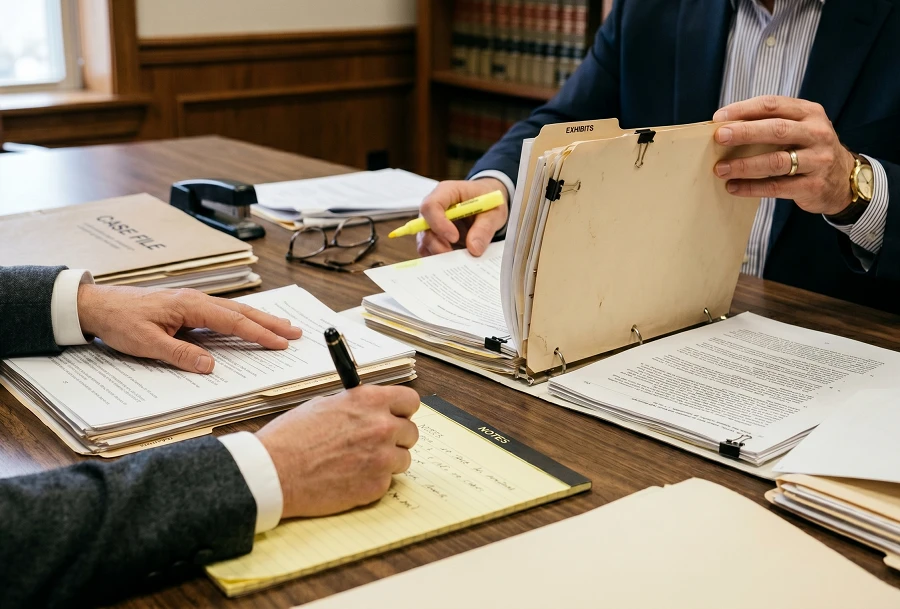
After a serious workplace accident, OSHA may conduct an investigation to determine whether safety standards were violated. While the agency’s role is regulatory rather than compensatory, its findings can still be important in a civil injury case.
OSHA publishes an annual list of the most frequently cited safety violations in the construction industry:
These findings can become important evidence when injured workers pursue a claim against a responsible third party. They may help establish that safety regulations were violated and support arguments such as negligence per se.
Construction sites are among the most heavily regulated workplaces in the United States because of the high risk of serious injury. When safety rules are ignored, the consequences can be severe. Many construction injury cases involve the same types of OSHA violations that inspectors cite year after year.
Some of the most common OSHA safety violations on construction sites include:
When these violations occur, OSHA may investigate and issue citations. While those citations do not automatically create a lawsuit, they often become critical evidence when determining who may be legally responsible for a worker’s injuries.
An OSHA violation alone does not automatically give an injured worker the right to file a lawsuit. Whether legal action is possible depends largely on who created the unsafe condition and how Washington workplace injury laws apply.
When you cannot sue your employer:
In these situations, Washington’s workers’ compensation system typically provides the exclusive remedy.
When you may be able to file a personal injury lawsuit:
Many injured workers assume that filing a workers’ compensation claim eliminates other legal options. In Washington, that is not always the case. While workers’ compensation typically covers injuries caused by your direct employer, you may still have a separate claim against contractors, equipment manufacturers, or property owners who contributed to the accident, a distinction often discussed in cases involving workers’ comp vs. third-party claims.
In some cases, if possible, workers pursue benefits through Washington’s Department of Labor & Industries (L&I) while also pursuing a third-party personal injury claim. These claims may allow recovery for money damages that workers’ compensation does not offer, including pain and suffering and full lost wages.
Because these situations can be confusing, the table below summarizes the most common scenarios where OSHA violations may lead to legal claims.
Taking these steps can strengthen your claim and ensure critical evidence is preserved. At Lehmbecker Law, we understand the intersection of OSHA regulations, workers' comp, and personal injury law. We begin with a free consultation, investigate the conditions that led to your injury, and handle all communications with insurance companies and opposing counsel.
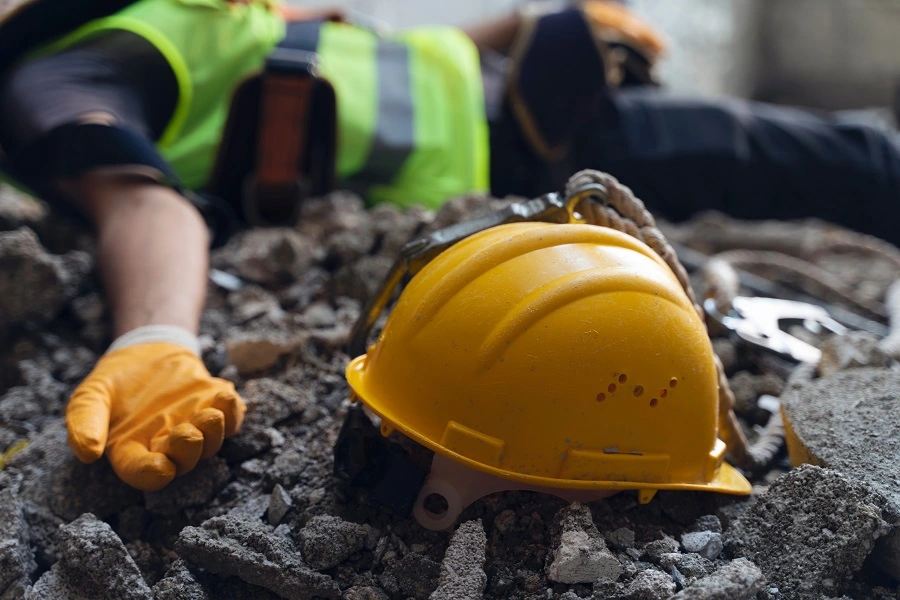
Workplace injury cases involving OSHA violations are also shaped by Washington state law. While OSHA establishes federal safety standards, state statutes determine how injured workers may pursue compensation.
For example, RCW 51.24 allows injured employees to bring third-party lawsuits when someone other than their direct employer contributed to the accident. This often applies on construction sites where multiple contractors, subcontractors, and equipment providers operate at the same location.
Washington’s workers’ compensation system is administered through the Washington State Department of Labor & Industries (L&I). Most injured workers must first file an L&I claim to receive medical coverage and partial wage replacement. However, these benefits do not always cover the full financial impact of a serious injury. OSHA safety violations and Washington workplace injury laws together often determine whether injured workers may pursue additional legal claims.
If a safety violation played a role in your workplace injury, you may have more legal options than it first appears. At Lehmbecker Law, our Seattle construction accident lawyers look beyond the surface of a workers’ compensation claim to uncover third-party liability, unsafe practices, and overlooked evidence that could increase your recovery. Contact our team today for a free consultation or call us at (425) 455-3186 to find out what your case may truly be worth.

Do not let confusion about your rights prevent you from seeking justice. Our construction accident attorneys at Lehmbecker Law can evaluate both your workers' comp claim and any third-party liability that may exist.


Generally, no, because Washington's workers' compensation system is the exclusive remedy against your direct employer for workplace injuries. However, exceptions exist when the employer acted with deliberate intent to harm. More often, OSHA violations support third-party claims against contractors, equipment manufacturers, or property owners who are not covered by the exclusive remedy doctrine.
It can. An OSHA investigation generates inspection reports, citations, and official findings that serve as evidence in private litigation. A citation does not prove causation on its own, but it establishes that a safety standard was violated, which strengthens a negligence per se argument against a third party.
A finding of no violation by OSHA does not mean no one was negligent. OSHA has limited resources and conducts relatively brief inspections. Your attorney can independently investigate conditions, retain experts, and build a civil case based on a broader evidentiary record than what OSHA reviewed.
Yes. Washington law allows both to proceed simultaneously. If you recover money from a third party, L&I has the right to reimbursement for benefits already paid, but third-party settlements often include damages that workers' comp does not cover, including pain and suffering and full wage replacement.
Willful or repeated violations may strengthen a civil negligence claim against a third party. These violations indicate the responsible party was aware of the hazard and chose to ignore it, which is the kind of reckless conduct that can justify punishment beyond compensatory damages.
Washington's statute of limitations for personal injury claims is generally three years from the date of injury. Workers' comp claims with L&I must be filed within one year (or two years for occupational diseases). These deadlines are independent of each other, and missing either can eliminate your legal options entirely.
The OSHA fine goes to the federal government and has no bearing on your personal civil claim. Paying an OSHA penalty does not compensate you for your injuries and does not resolve any civil or workers' comp liability the employer or a third party may have.